
Book Free LEV Review
0800 046 1607
Local Exhaust Ventilation (LEV) testing is a detailed and systematic examination to verify that an LEV system is functioning effectively and providing the required level of protection for employees. Legally defined as a Thorough Examination and Test (TExT), this process is not merely a formality but a critical component of workplace health and safety management. Its primary purpose is to ensure that airborne contaminants such as dust, fumes, vapours, gases, and mists, which are generated during work processes, are adequately captured and controlled at the source, preventing workers from inhaling them.
An LEV system acts as a crucial engineering control measure, designed to protect respiratory health. It typically consists of a hood to capture the contaminant, ducting to transport it, a filter or air cleaner to remove it from the airstream, and a fan to provide the necessary airflow. The TExT process assesses every part of this system to confirm it is performing to its designed specifications and is effective in the context of the specific workplace task.
The legal mandate for LEV testing in the UK is rooted in the Control of Substances Hazardous to Health (COSHH) Regulations 2002. Specifically, Regulation 9, titled 'Maintenance, examination and testing of control measures', places a legal duty on employers to ensure any control measure, including LEV systems, is maintained in an efficient state, in efficient working order, in good repair, and is clean. This regulation explicitly requires a Thorough Examination and Test to be conducted at regular intervals.
Supporting these regulations is the Health and Safety Executive (HSE) guidance document HSG258: "Controlling airborne contaminants at work: A guide to local exhaust ventilation (LEV)". This document provides the benchmark standards and best practices for the design, installation, commissioning, and testing of LEV systems. Compliance with HSG258 is considered the most effective way to meet the legal requirements of COSHH Regulation 9. Failure to conduct regular and competent LEV testing can lead to enforcement action by the HSE, including improvement notices, prohibition notices, and potentially significant fines or prosecution, especially in cases where employee health has been compromised.
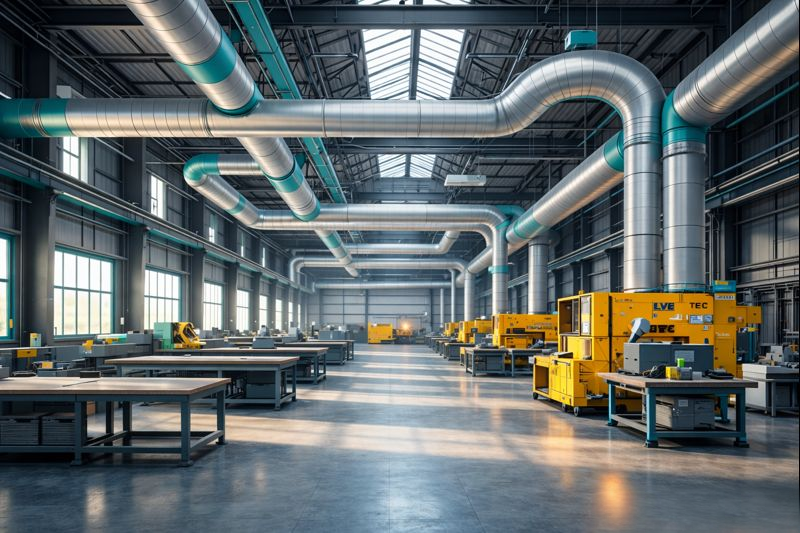
The COSHH regulations establish a clear default frequency for the Thorough Examination and Test (TExT) of most LEV systems. Employers are legally required to have their LEV systems tested at least once every 14 months. The 14-month interval, rather than a strict 12-month period, provides a degree of flexibility, allowing businesses to schedule the examination without risking a lapse in compliance if there are slight delays from one year to the next.
However, this 14-month period is a maximum interval and is not suitable for all situations. The regulations and HSG258 guidance specify that more frequent testing is necessary for certain processes or substances where the risk to health is higher. The frequency should be determined by a risk assessment, but statutory minimums exist for specific scenarios.
Exceptions requiring more frequent testing include:
Processes listed in Schedule 4 of COSHH: Certain high-risk processes, such as the grinding of metals or the handling of specific chemicals, may require more frequent testing.
Systems controlling high-toxicity substances: When dealing with particularly potent carcinogens or respiratory sensitisers, a more stringent testing schedule is essential.
High-wear systems: LEV systems that are subject to high levels of abrasion or corrosion, such as those used in shot blasting or handling abrasive dusts, may need to be tested more often to detect degradation in performance. For these systems, a testing frequency of at least every 6 months is often recommended.
Systems with a high likelihood of failure: If a system's filters are prone to rapid clogging or other components are known to fail, a more frequent testing schedule should be implemented.
In some extreme cases, where the risk of exposure is very high, testing could be required as frequently as every month.
It is also crucial to conduct a TExT outside of the regular schedule if there is a significant change to the system or the process it controls. This includes modifications, major repairs, or if the system is moved. An LEV system that has been newly installed must undergo a commissioning test, which serves as the initial benchmark for all future TExT examinations
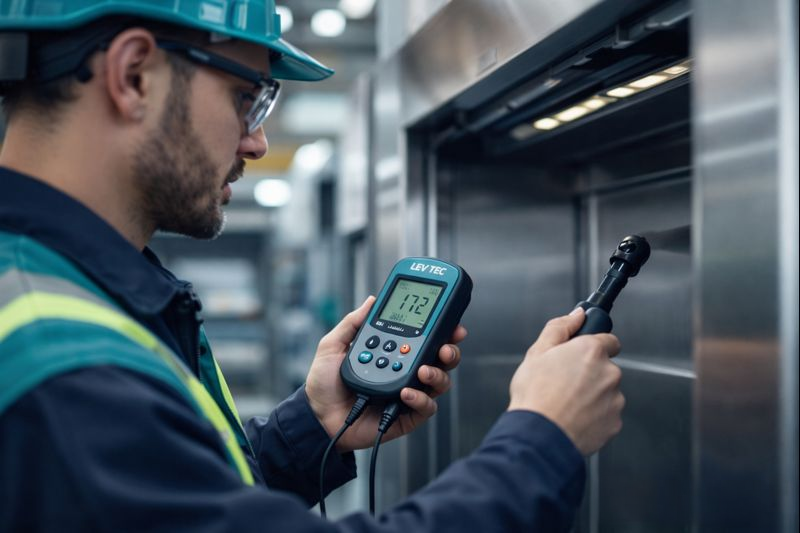
A Thorough Examination and Test (TExT) is a multi-faceted process that goes far beyond a simple check to see if a fan is running. It involves a combination of visual inspections, physical checks, and the use of specialised equipment to take precise technical measurements. The entire process is benchmarked against the system's original commissioning report and design specifications to ensure it is still fit for purpose.
Key stages of the TExT procedure include:
Review of Documentation: The engineer will begin by reviewing the system's logbook, commissioning report, and previous TExT reports. This provides essential context on the system's intended performance and its history.
Visual and Structural Examination: The entire LEV system is inspected for any signs of wear, damage, corrosion, or blockages. This includes:
Hoods: Checking the condition, position, and suitability of the capture hood for the process.
Ductwork: Inspecting for leaks, physical damage, blockages, or build-up of material inside.
Filters: Assessing the condition of the filter units, seals, and cleaning mechanisms.
Fan: Checking the fan housing, impeller, and motor for damage or corrosion.
Technical Performance Measurements: The competent person uses calibrated instruments to measure the system's aerodynamic performance. This is the core of the test and typically involves:
Hood Face Velocity and Capture Velocity: Using an anemometer to measure the speed of air entering the hood. This is critical to confirm that the airflow is strong enough to capture contaminants at the source and draw them into the system.
Duct Transport Velocity: Measuring the air speed inside the ducting to ensure it is sufficient to keep the contaminant airborne and prevent it from settling and causing blockages.
Static Pressure Readings: Using a manometer to measure pressure at various points in the system. These readings help diagnose issues like filter blockages or fan degradation by comparing them to the original design values.
Qualitative Assessment: A smoke test or dust lamp test is often used to provide a visual demonstration of the capture effectiveness at the hood. This helps to identify any draughts or dead spots where contaminated air might be escaping into the breathing zone of the operator.
Assessment of System Components: The engineer will check the functionality of critical components such as airflow indicators or alarms, which are required on many systems to provide the operator with a simple, immediate indication that the system is working correctly.
Operator and Process Evaluation: The test also involves observing how the LEV system is used in practice. The engineer will assess whether operators are using the equipment correctly and whether the process has changed in a way that might render the LEV system ineffective.
The overall goal is to build a complete picture of the system's health and its ability to provide adequate control of exposure to hazardous substances.
COSHH Regulation 9 is explicit that the person undertaking the Thorough Examination and Test must be competent. The HSE defines a competent person as someone who has the appropriate knowledge, skills, training, and practical experience in LEV testing to carry out the examination properly and safely. They must also have access to the correct, calibrated equipment and a sound understanding of the principles of LEV design and performance.
Mere familiarity with ventilation systems is not sufficient. Competency in this context requires specialist expertise. The industry standard qualification for LEV test engineers in the UK is the British Occupational Hygiene Society (BOHS) Proficiency Certificate P601 - Thorough Examination and Testing of Local Exhaust Ventilation Systems. Holding this qualification is a strong indicator that an individual has received the necessary theoretical and practical training to be deemed competent.
Beyond qualifications, a competent person must also possess:
Extensive Experience: They should have a proven track record of testing a variety of LEV systems across different industries.
Up-to-Date Knowledge: They must be familiar with the latest COSHH regulations and the details of the HSG258 guidance.
Impartiality: It is crucial that the person conducting the test can provide an objective, unbiased assessment of the system's performance. For this reason, many companies choose to hire an independent, external specialist contractor rather than relying on in-house staff who may have a vested interest in the outcome.
Appropriate Equipment: The engineer must use correctly calibrated and maintained testing equipment, such as anemometers and manometers, to obtain accurate readings.
Employers have a duty to ensure that the person or company they hire to conduct LEV testing is genuinely competent. Asking for evidence of qualifications (like P601), professional indemnity insurance, and examples of previous work is a vital part of this due diligence process.
Following the completion of a Thorough Examination and Test, the competent person has a duty to provide the employer with a comprehensive report. This document is a critical legal record that details the findings of the examination. HSG258 outlines the minimum information that must be included in an LEV test report:
Employer and Address: The name and location of the business where the test was conducted.
System Identification: A unique identifier for the LEV system (e.g., "Welding Bay 1 Extractor") and the process it serves.
Date of Examination: The date the TExT was carried out.
Condition of the System: A detailed assessment of the system's physical state and cleanliness.
Performance Data: The results of all technical measurements taken, compared against the commissioning data and design specifications.
Pass/Fail Conclusion: A clear statement on whether the LEV system provides adequate control and has passed or failed the examination.
Repair Schedule: If the system fails, the report must specify the repairs or modifications needed to bring it up to standard. This should include a clear timeline for completion (e.g., "immediately," "within one month").
Examiner's Details: The name, signature, and contact information of the competent person who performed the test.
Date for Next Test: The recommended date for the subsequent TExT.
Alongside the report, a label or sticker is typically affixed to the tested equipment. For a system that passes, this label will indicate the pass status and the date of the next required test. For a failed system, a "FAIL" label is applied, clearly warning operators not to use the equipment until it has been repaired and re-tested.
The employer is legally required to keep a record of these tests. This includes the TExT report and an LEV logbook for each system. The logbook should contain all key documents related to the system's life, including the initial design specification, commissioning report, maintenance records, and all subsequent TExT reports. These records must be kept in a secure but accessible location for a minimum of five years.
An LEV system can fail its Thorough Examination and Test for a wide variety of reasons, ranging from simple maintenance issues to fundamental design flaws. Identifying the cause of failure is the first step toward rectification.
Common reasons for an LEV system to fail include:
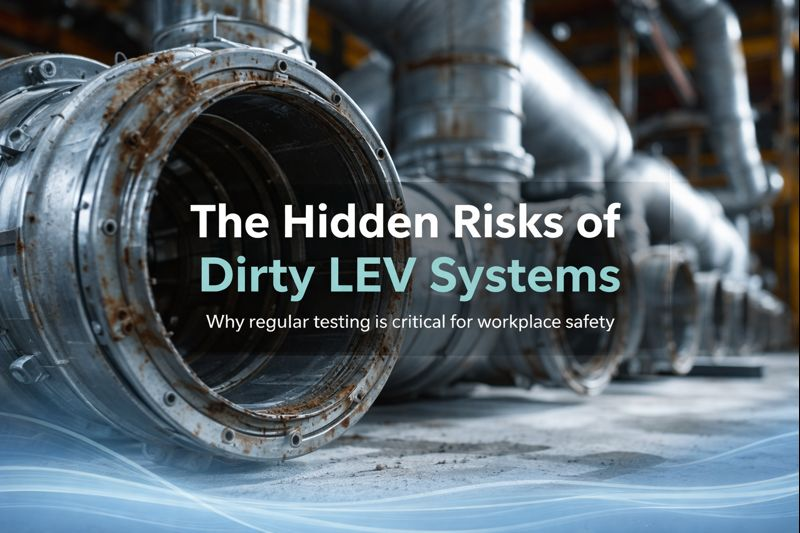
Blocked Filters: This is one of the most frequent causes of failure. Filters become clogged with particulate over time, increasing resistance and drastically reducing the airflow through the system.
Damaged or Leaking Ductwork: Holes, cracks, or poorly sealed joints in the ducting allow air to leak out, reducing the transport velocity and the negative pressure needed to capture contaminants at the hood.
Incorrect Hood Design or Positioning: The capture hood may be too small, shaped incorrectly for the process, or positioned too far away from the contaminant source, resulting in poor capture efficiency.
Fan Performance Degradation: Wear and tear on the fan's impeller, a slipping belt, or a failing motor can lead to a reduction in the fan's ability to move the required volume of air.
Unauthorised Modifications: Employees may add extra branches or hoods to a system without considering the impact on the overall aerodynamic balance, leading to insufficient airflow at all points.
Changes in the Work Process: If the process has changed—for example, a different chemical is being used, or a task is being performed more intensively—the original LEV system may no longer be adequate to provide control.
Incorrect Use by Operators: Workers may not use the system as intended, for example, by removing or repositioning hoods, which renders the system ineffective.
If an LEV system fails its TExT, the employer must take immediate action. The report will specify the necessary remedial work. Depending on the severity of the failure, this could involve taking the associated process out of service until repairs are made. Corrective actions may include cleaning or replacing filters, repairing ductwork, or redesigning part of the system. Once the repairs have been completed, the system must be re-tested by a competent person to verify that it is now performing correctly and providing adequate protection.
It is a common misconception to use the terms LEV testing and LEV maintenance interchangeably. While both are legally required under COSHH Regulation 9 and are essential for ensuring an LEV system works correctly, they are distinct activities with different purposes and frequencies.
LEV Maintenance refers to the ongoing schedule of routine checks and preventative actions designed to keep the equipment in good working order. It is about preserving the system's efficiency between formal tests. Maintenance tasks can include:
LEV Testing (TExT), on the other hand, is a formal, in-depth statutory examination conducted periodically (e.g., every 14 months) by a competent external specialist. Its purpose is to legally certify that the system is still capable of providing adequate control of hazardous substances. It involves detailed measurements and a comprehensive assessment against design specifications and legal standards.
The two activities are complementary and synergistic. A well-maintained LEV system is far more likely to pass its Thorough Examination and Test. Conversely, the findings of a TExT can often inform the maintenance schedule, highlighting components that may require more frequent attention. An employer must implement both a robust maintenance programme and a compliant TExT schedule to fully meet their legal obligations and effectively protect their workforce.
Independent LEV Testing Specialists No Installation Sales
LEV Tec Solutions, 71-75 Shelton Street, Covent Garden, London. WC2H 9JQ
| Company VAT No: 497525247 | ICO Registration Number: ZC192661 | Cookie Policy | Privacy Policy
